
Positive Action Scheme
Thinking of a career in journalism? Each summer, we offer two-week work experience placements for those from underrepresented groups who are aiming to start a career in journalism.


Thinking of a career in journalism? Each summer, we offer two-week work experience placements for those from underrepresented groups who are aiming to start a career in journalism.
Our Positive Action Scheme has created opportunities for hundreds of aspiring journalists. All participants, with their energy and creativity, have proved beyond doubt that organisations benefit by having a greater diversity of contributors and the ideas they bring. This thinking has fed into everything we do at the Guardian. The scheme has already transformed many careers. It could transform yours too.
This scheme has always been about identifying people from diverse backgrounds with real potential to become successful journalists. Our editors have given them stretching tasks, along with constructive feedback. Other staff journalists have volunteered as mentors, offering support and advice. The participants’ testimonials, published here, show what an impact the scheme has had on their careers.
Thinking of a career in journalism?
The Guardian believes there should be a better representation of our diverse society in the media and each summer offers paid work experience schemes for those from underrepresented groups who are aiming to start a career in journalism.
This year our London office is running the schemes during the summer:
for people with disabilities;
for Black, Asian and minority-ethnic applicants;
and for people from working-class backgrounds.
Please note, the schemes are only open to applicants over 18 years old. You must have the right to train in the UK at the time of application.
For applicants who have no access to accommodation in London (nor the ability to travel daily to our King's Cross headquarters), the Sarah Hughes Trust has kindly offered to provide a small number of grants. If you'd like to be considered for one of these, you can do so via the application form.
Follow the hyperlinks to apply:
We value and respect all differences (seen and unseen) in all people at the Guardian. We aspire to have inclusive working experiences and an environment that reflects the audience we serve, where our people have equal access to career development opportunities, their voices are heard and can contribute to our future.
*Positive action is covered by section 158 of the Equality Act 2010

Back in 2002, in the first year of the Guardian's Positive Action Scheme, I saw the inner workings of G2, the newsroom and spent time on investigations. These experiences gave me a taste for how I could uncover untold stories and gave my CV some sparkle: I went on to report for the Sunday Times and the Sunday Telegraph before moving to the BBC, where I worked on the BBC News at Six and Ten. I later became the BBC's first creative diversity lead; and I've now moved to Clifford Chance UK, where I am Head of Inclusion.

As someone who flunked their A-Levels and who had to do an additional year at university to get on to an English BA, I thought I'd blown my journalistic chances. However, on my second attempt at applying, I got onto the Positive Action Scheme and it set me on course to develop my skills as a writer, the savviness to start networking, and most importantly the confidence to be active and present within newsrooms. This placement is a fantastic tool for carving out your own path into storytelling: grades aren't the priority, it's your drive and ambition that counts.

When I majored in photojournalism in college, the media industry was like a puzzle: the Positive Action Scheme allowed me to understand it. During my internship I was highly impressed by the Guardian editors' knowledge and working spirit. Currently, I work at an AI lab focused on optimising image aesthetics to enhance understanding of the visual world. My time at the Guardian profoundly shaped my perspective, especially given its world-class news photo archives!

Getting on to the scheme was a real confidence boost for me. Journalism is an intimidating industry, especially when you come from a place with no contacts or obvious way in. Working with the Guardian's editorial teams pushed me out of my comfort zone, and I got to know the kind of journalist I could be. After years working as an editor, I am now back at the Guardian as a full-time staff member in the advertising team. I'll be forever grateful for the effort the Guardian puts into maintaining communications with all of the scheme's alumni – it feels like you're part of something.

The Positive Action Scheme gave me my first experience of a major newsroom, and the confidence to allow me to pitch and write across all parts of an international news brand. The scheme was an invaluable step up into the world of sports writing, breaking news, and financial journalism, which is ultimately where I have ended up. I have worked as a foreign correspondent in Brussels for the Financial Times and I'm now the economics editor at The Times.

The scheme was integral to me believing it is possible to become a journalist even when you're not from the capital. Being in the newsroom, surrounded by writers and editors at the very peak of the industry, was an experience I am incredibly grateful for. The trust placed in me for the pieces I had to work on was also an honour, and as a result I'm considerably more confident as a writer and a journalist today than I had ever previously imagined.

The scheme was the breakthrough I really needed. Getting work experience was really tough, even at local newspapers, and I didn't know anyone who could get me in anywhere; so the Guardian ended up being my first experience of a newsroom. I wasn't just doing small tasks but got to go out for press conferences and vox pops. I left with confidence that I could do this as a career. After I finished studying I went abroad and reported in Turkey, Bangladesh and Israel-Palestine. Then later I wrote my book, I Feel No Peace, before joining the Guardian's global development team in 2020.

I was part of the first disability scheme. Honestly, I was a little reluctant to apply – I wanted to succeed on merit – but I soon realised it was just aimed at giving me the access others already get. Meeting editors and building relationships was invaluable. Everyone was so generous with their time and expertise. A decade on, I'm a Guardian writer and columnist. I've won a Society of Editors Commentator of the Year award, been named one of the 25 women defining Britain today by British Vogue, and written two books: Crippled, and Who Wants Normal? I can say the scheme changed my life. Simply being at the table (literally) told me that people like me belonged here. You do too.

I applied for the scheme during my final year at university, already knowing in my bones that I wanted to be a journalist. The connections I made, especially on the Weekend Magazine, were invaluable – and have been maintained throughout my career. Later, I was able to find internships at various outlets and eventually was accepted on to the Guardian's Scott Trust bursary scheme, during which period I helped to launch gal-dem magazine. This eventually led to the hugely successful 2018 gal-dem/Weekend takeover. Later I joined the New York Times as an editor, before moving into my current role at investigative newsroom Fuller. I'm so grateful for the scheme, and for the Guardian's ongoing support.

At every desk – Global Development, Saturday magazine and News – I received time, advice and support. I was made welcome, treated as a real member of the team and encouraged to pitch, write and edit at every opportunity. I left the scheme with the newfound belief that I had deserved my place there. Now several years out from the scheme, and having freelanced with the Guardian and Saturday magazine for part of that time, I consider the experience to have been transformative for both my confidence and my career.

I'd describe the Positive Action Scheme as an experience to influence a lifetime. I went from a small town straight into the heart of London. I found all staff very approachable. I learned so much, not just from them, but being behind the scenes and understanding the planning which goes into The Guardian. I was entrusted with producing my own bylines and encouraged to pitch ideas, this proved to be a massive confidence boost for myself.

Due to ill health, I was only at The Guardian for three days, but the time I spent on the opinion desk changed the whole course of my career. I got my first by-line writing about the discrimination I have faced as an invisibly disabled person. I have now been freelancing at national titles for years, as well as campaigning for equal access to medication on a global scale. I would recommend this scheme to anyone.
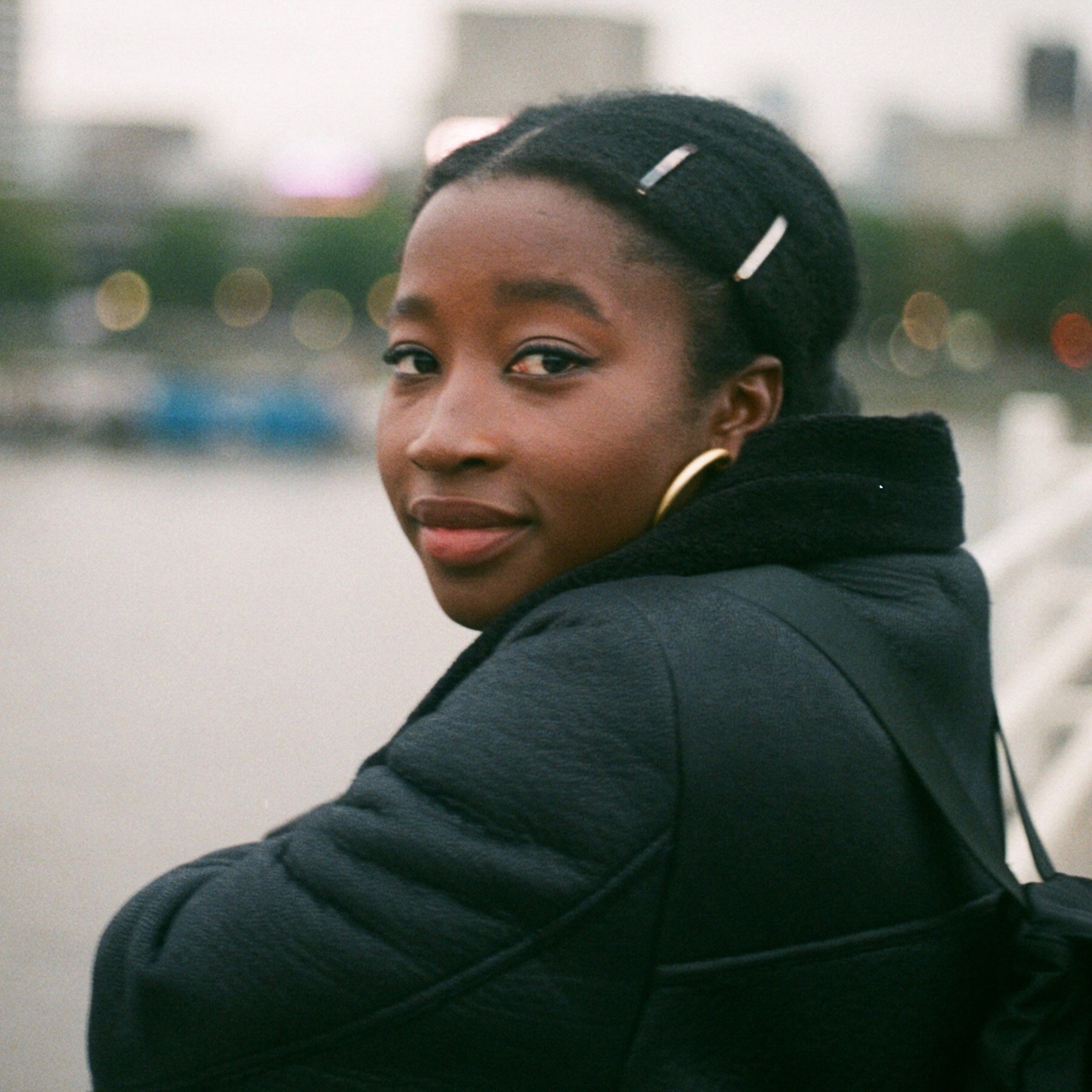
At the interview, I remember thinking that the other hopefuls were smart, suitably serious, and that my pitch about Azealia Banks was going to be my downfall. I was wrong. The scheme helped me realise that my left-field ideas held journalistic weight (thank you, Jollof Rice wars). I got a job at the Guardian soon after and have written articles and produced videos, podcasts and films across multiple desks. I worked in the Multimedia department until 2022, and my two short documentaries – RIP SENI (Guardian) and Twinkleberry (Netflix) – along with the Webby award-winning Modern Masculinity series, are the works I'm most proud of.

Being on the Positive Action Scheme has been one of the best things to have happened to me. I spent the first two weeks under the guidance of the sports editor, where I attended morning briefings, and saw how sports video and audio content was created. I came back for a third week where I was more involved with sports reactive video. This experience has solidified my decision to work in sports journalism.

Everyone was lovely, and I was given lots of responsibility, with one of the pieces I pitched making it on the front page of The Observer. It was also invaluable meeting various journalists and editors and hearing how they got into the field. While at the Guardian I was offered a reporter job at my local newspaper, and I think the experience that I had gained at The Guardian, and having such a trusted name on my CV definitely helped me land the role. I am really grateful to all of the amazing people I met, who gave me great advice.
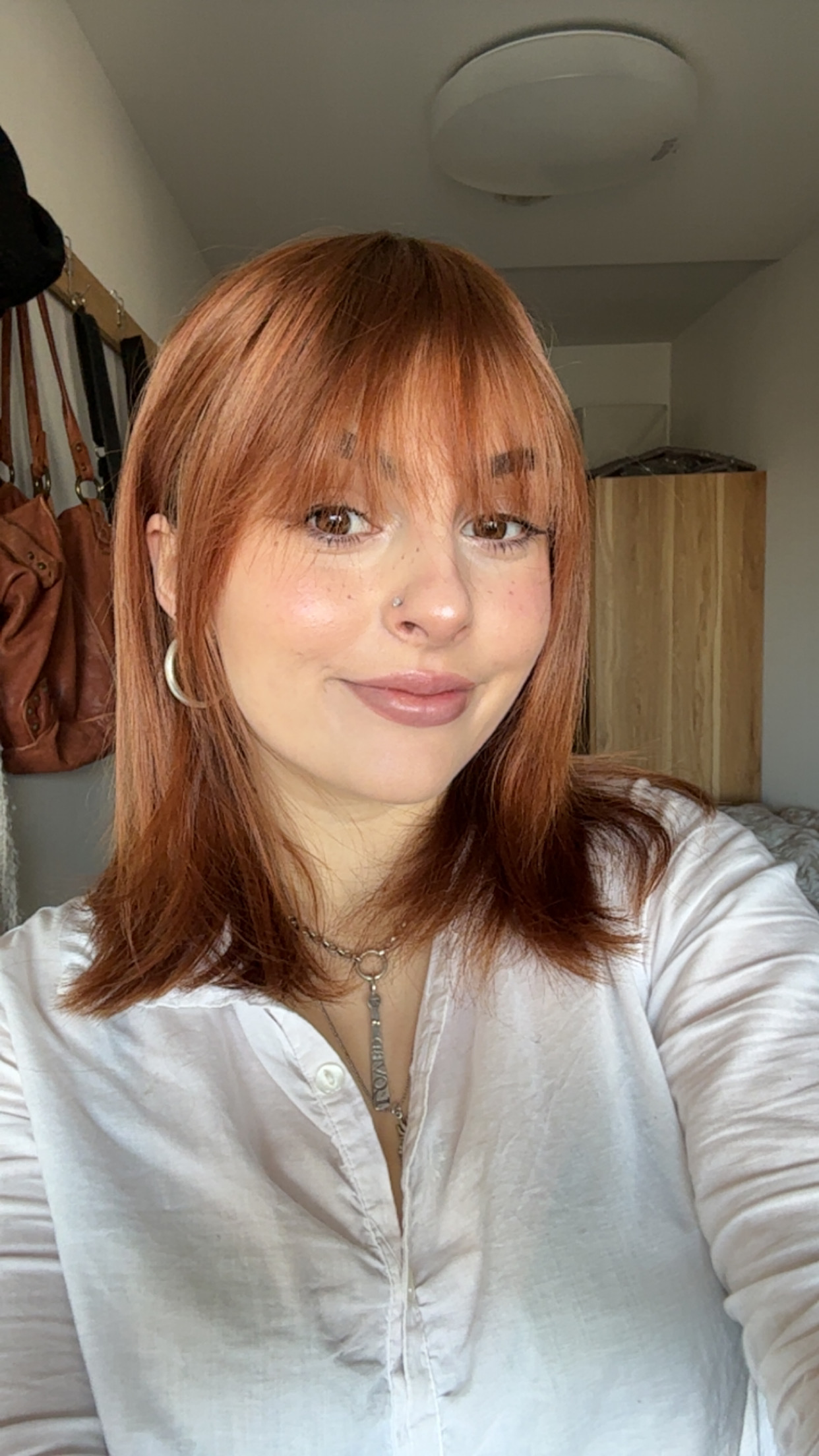
The scheme was life-changing and truly nurtures young journalists. I worked across the global development, digital media and features desks. I learnt how to conduct research, and reach out confidently to people across borders and time zones. I interviewed activists in Kenya, photographers in Venezuela, and wildfire experts in Canada. The scheme knocked my imposter syndrome on its head and has set me up with skills for life. The other participants were all so inspiring, and I have made friends for life. I continue to write for my university newspaper, now with far more confidence and a stronger sense of my own voice. I cannot recommend the scheme enough.

Seeing my name in a national newspaper was a dream come true: not just for me, but for my family. On the day my first byline appeared in The Guardian, my late father, who worked on a market stall, went to the nearby newsagent’s and bought every copy of the paper. He then distributed them among his customers who had come to buy socks and pants. As part of the scheme, I interviewed charity bosses, wrote a match report for a Premier League game and - most importantly - worked alongside some of the best journalists in the country. I will always be grateful for the experience, which helped set me on the path to a career in journalism. I’m currently Midlands correspondent for BBC News.

I remember appreciating how well the Guardian’s scheme was structured compared to other places I’d interned. You’d attend editorial meetings, receive feedback and even get a few bylines. You were treated with kindness and respect. (I remember being starstruck when THE Simon Hattenstone bought me a cup of tea on my birthday!) These experiences gave me the confidence to pitch feature ideas later in my career. While I’ve since held staff positions at different publications, freelancing for the Guardian has been a career-long constant. I’m currently co-hosting the BBC Radio 4 show Screenshot and have published my first book, Screen Deep, rooted in ideas that first found a home in the Guardian.

The scheme was incredible for me. I got to write articles, operate cameras and capture a solo performance with Ed Sheeran by myself. I was so proud of the small portfolio I got to leave with.
It opened up so many doors and contributed to my career in broadcast television, branded and digital media. I’ve worked on shows like The Only Way is Essex and The Apprentice, and with brands such as YouTube, Nike and Adidas. I also filmed Chicken Shop Date with Amelia Dimoldenberg.
I’m so thankful I had the opportunity to intern at the Guardian – easily one of the best places I had the honour of working at.

The experience showed me the value of being bold, sticking my head above the parapet, and seeing that my difference can also be my greatest strength. Those lessons led to my break into television at Sky News. Since then, I have become a documentary filmmaker. In 2022 I made my directorial debut, The Detective and the Dog Thief (Netflix). I later produced and directed the series Four Kings (Amazon), Bafta-nominated comedy-doc How to Survive a Dictator (Channel 4), and drama-doc Amsterdam Narcos (Sky). Most recently I produced Tutu (Universal), which won the Peace Prize at Berlinale 2026. I am proud that the Positive Action scheme was one of the steps on the journey that led me to where I am today.

The Positive Action Scheme gave me the perfect insight into what it means to be a journalist. I wrote stories about education, technology and Saudi Arabia, seeking voices and comment for stories that were then ruthlessly cut down for print. Two weeks turned into four when riots rocked the capital.
The key lesson I took away was that if I had any chance of getting a job, I needed to keep writing. A year later, I received the Scott Trust bursary which allowed me to go to City Journalism School, and helped me secure my first role covering politics at BuzzFeed. And more than a decade later, in January 2026, I came back to the Guardian, this time in a staff role as deputy digital editor.


Spend eight weeks learning from Guardian colleagues in commercial departments.
Find out more
Aspiring journalists have the opportunity to study for a master's in journalism with a full bursary.
Find out more
An opportunity for developers at the start of their careers.
Find out more